Innovation and sustainability for a colored experience.
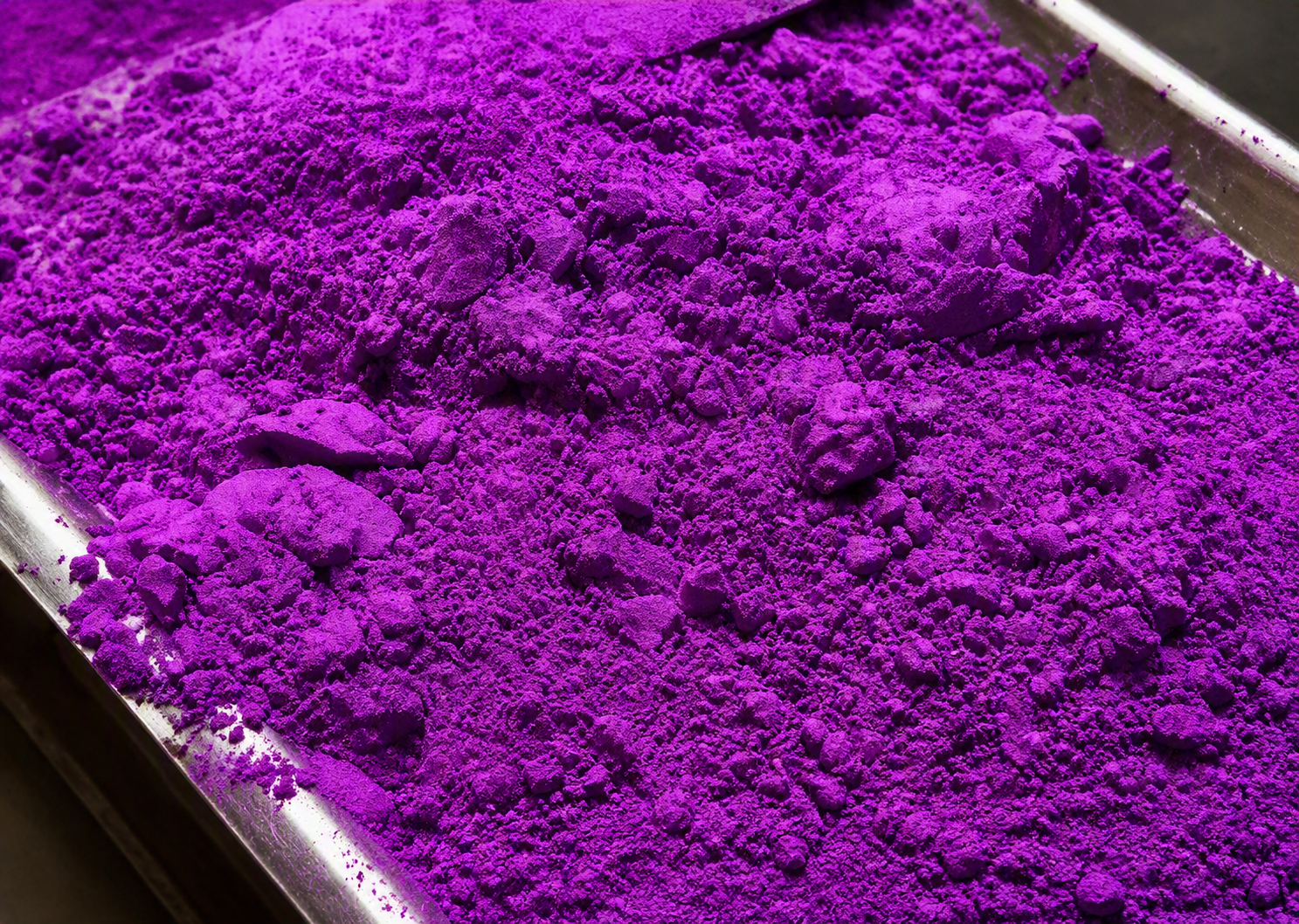
Holliday Premium Pigments produces ultramarine blue, violet and pink, and manganese violet, on our site in Comines in northern France, since 1926.
Ultramarine occupies a unique place in the world of colour. Its intense beauty has always been highly valued — through many centuries, and by many cultures.
A vibrant history.
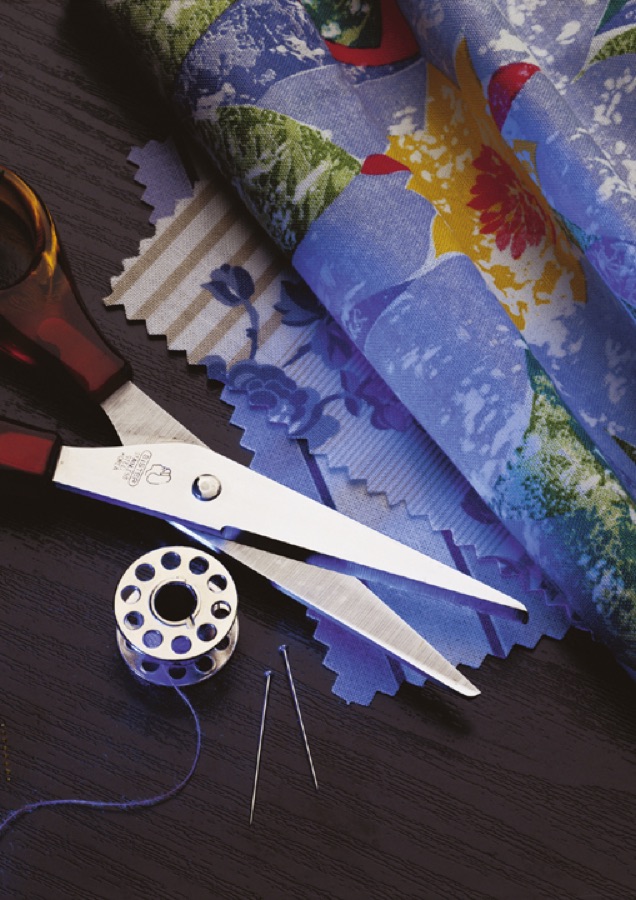
Until the early 19th century the only source of ultramarine was rare, expensive lapis lazuli — reserved for work of great importance, from the funeral mask of Tutankhamun to the garments of the Virgin Mary. Once a synthetic alternative arrived, the colour found application everywhere.
-
1824
The Société d'Encouragement pour l'Industrie Nationale offers 6,000 francs for a workable alternative to lapis lazuli.
-
1828
Jean Baptiste Guimet wins the prize. His synthetic ultramarine costs 880 francs per kilo against 6,000–9,000 for lapis lazuli.
-
1926
We start producing blue ultramarine pigments at our plant in Comines, France.
-
2004
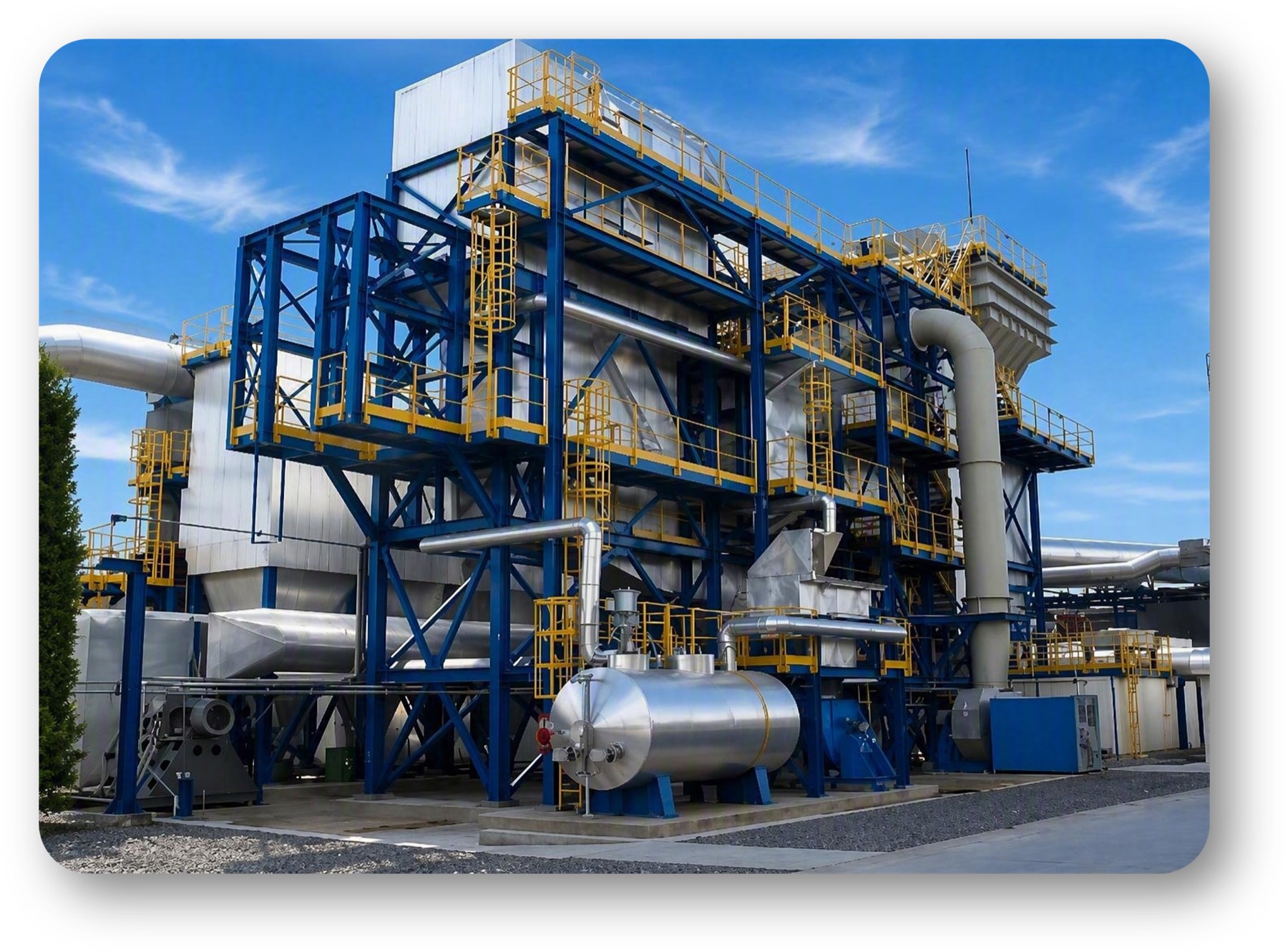
A flue gas de-sulphurisation plant is commissioned — still the only such investment by an ultramarine producer.
-
2009
Technical breakthroughs at Holliday make production of the first violet and pink ultramarines possible.
The people behind the powder.



Colour with a lighter footprint.
Kaolin is one of the natural raw materials used to make our ultramarine pigments.
Ultramarine has an inherent cradle-to-grave safety. Made from kaolin, sodium carbonate and sulphur, our pigments can be used to colour code seeds and returned to the soil with impunity.
Turning emissions into a by-product.
The production of ultramarine pigment naturally generates sulphur dioxide (SO₂) during the calcination stage. The production fumes are directed to our de-sulphurisation unit, which captures this gas and converts it into sulphuric acid — a by-product that can be sold to other industrial companies.
This technology significantly reduces the site's atmospheric emissions and is part of our commitment to responsible production.
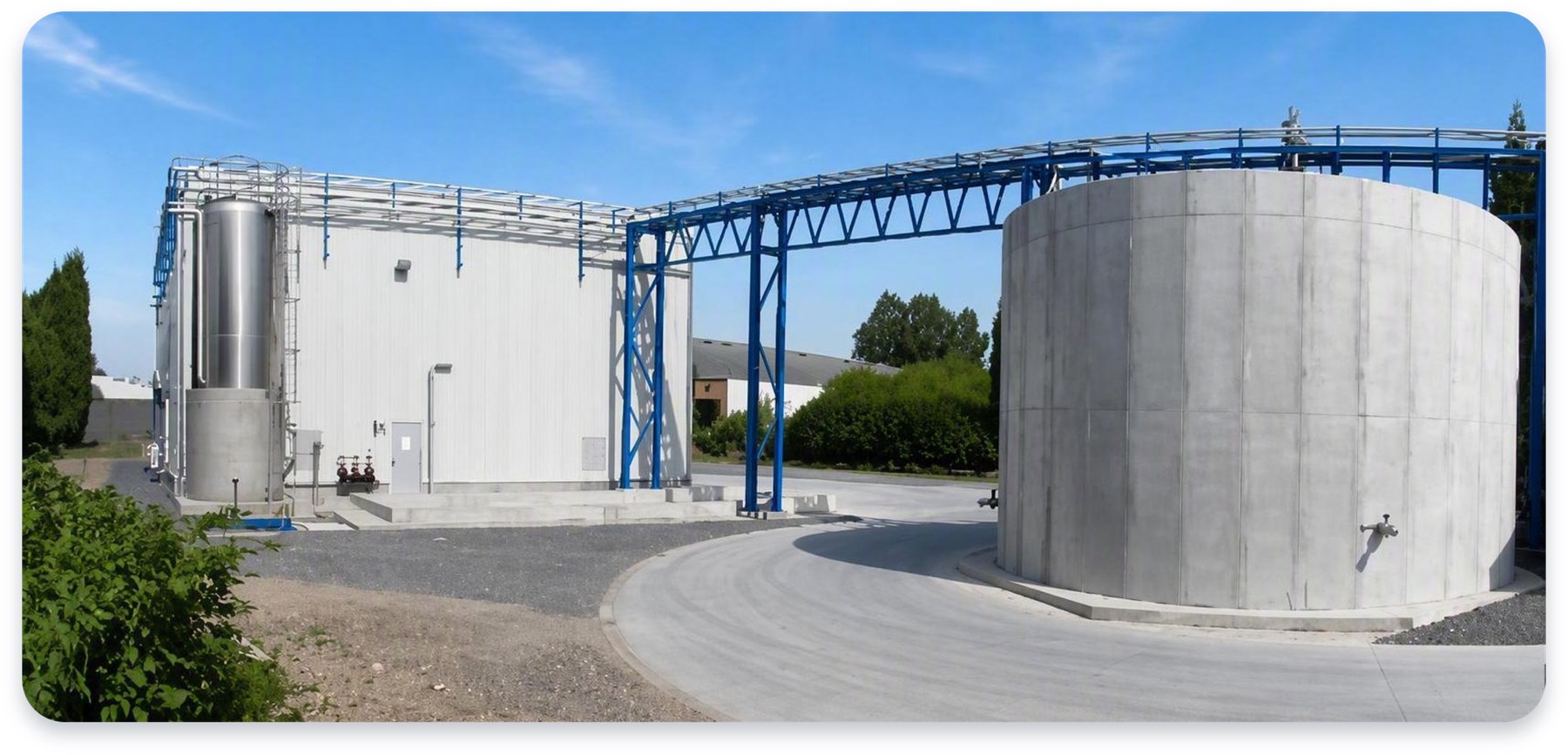
Conserving Water Resources
Water plays a key role in the production of our pigments. Our water treatment plant purifies process water before it is returned to the natural environment. After treatment, more than 98% of the water used is returned to the Lys River, in accordance with current environmental standards. By recovering and recycling this essential resource, we help reduce our environmental footprint while protecting local ecosystems.